

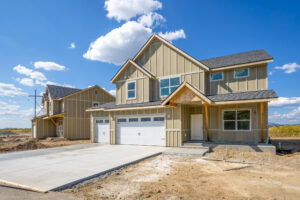
 Investing in single-family rental properties can make a rental easier to market initially, but the benefits need to outweigh any builder premium or upgrade costs. The initial outlay for a new build can exceed a resale purchase, though the home can offer benefits such as more customization options, improved energy efficiency, and reduced maintenance needs during the first years of ownership. Investors may still face higher finish costs and limited leverage when discussing the contract price. Before finalizing a purchase, assess the pros and cons carefully to maximize your return on investment.
Why Consider New Construction for Your Rental Portfolio?
Purchasing new construction as a rental property may help an investor move from purchase to operations without first managing a major improvement project. With current features already installed, the property can be marketed without a large cosmetic improvement project. With many upgrades already included in the completed home, out-of-pocket expenses are typically minimal as the home is introduced to the rental market.
A complete home can enter the tenant-acquisition process promptly, assuming pricing and demand support the plan. The home’s features can be selected with future renters in mind, including smart home features. For renters attracted to modern control features, smart thermostats and security systems can enhance the property’s leasing story by adding practical controls and security features.
Top Benefits of Energy-Efficient, Smart Homes for Renters
A new rental can offer tenants a first-use experience that is difficult for older competing homes to replicate. Attracting quality tenants is key to rental success. New homes often include efficiency measures that can translate into lower utility bills and greater environmental sustainability. New systems and efficient fixtures can make the home easier to live in while supporting retention goals.
These leasing benefits, combined with newer systems, can make new construction an appealing choice for rental property investors. Owners should not confuse new construction with perfect construction; poor execution can lead to problems later.
Construction errors can lead to unexpected maintenance and a more complicated first year of ownership than the buyer anticipated. Even modest custom changes can be expensive when priced through the builder, so the rental case for each one should be clear.
Is New Construction the Right Investment for You in Today’s Market?
For investors who make money primarily at purchase through a low basis, new construction may not deliver the needed spread. Construction costs, sales targets, and neighborhood comparables often shape builder pricing more tightly than in an owner-occupied resale.
A deep discount can create a lower benchmark for later negotiations, giving builders a reason to maintain the base price. When the builder wants to protect comps, it can still be wise to inquire about current incentives, closing cost assistance, or upgrades that may be available.
Before purchasing a new home as a rental property, weigh the pros and cons carefully. Confirm the strength of the local rental market, projected tenant demand, and identify which property features are most important to the tenant profile you are targeting. When the investment is supported by current rental evidence, new construction can deliver strong long-term returns.
Market insight helps translate the features of a new home into realistic expectations for leasing and performance. For owners analyzing a rental in Greer, Real Property Management Upcountry can provide local market information that supports underwriting. We perform market assessments for all potential rental properties, ensuring owners who partner with us have the tools and information they need to make the best investment decisions. To explore the local market in more detail, contact us online.
This content is provided for general informational and educational purposes only and does not constitute financial, legal, tax, or investment advice. Readers should consult with licensed professionals regarding their specific circumstances.
We are pledged to the letter and spirit of U.S. policy for the achievement of equal housing opportunity throughout the Nation. See Equal Housing Opportunity Statement for more information.
